
Costa Rica Animal Bucket List: 15 Incredible Wildlife Species You Need to See
Costa Rica is one of the best destinations in the world for wildlife lovers. Despite its relatively small size, the country is home to an extraordinary variety of Costa Rica animals, including tropical birds, monkeys, wild cats, reptiles, amphibians, and some of Central America’s most iconic mammals.
For many travelers, seeing Costa Rica wildlife is just as exciting as visiting its beaches, volcanoes, and rainforests. However, wildlife sightings in nature are never guaranteed. Many species live high in the forest canopy, remain perfectly camouflaged, avoid people, or are active mainly at night.
That uncertainty is part of the excitement of exploring Costa Rica’s national parks. It can also make it difficult for visitors with limited time to see many different species during one trip.
For travelers visiting Guanacaste, Diamante Eco Adventure Park’s Animal Sanctuary offers the opportunity to observe and learn about many native animals in Costa Rica in one location. The animals living at Diamante were rescued, confiscated, or relocated through Costa Rican wildlife authorities and now receive professional, long-term care because they cannot safely return to the wild.
15 Incredible Costa Rica Animals to Add to Your Wildlife Bucket List
Here are 15 incredible Costa Rica animals to add to your wildlife bucket list.
1. Jaguar
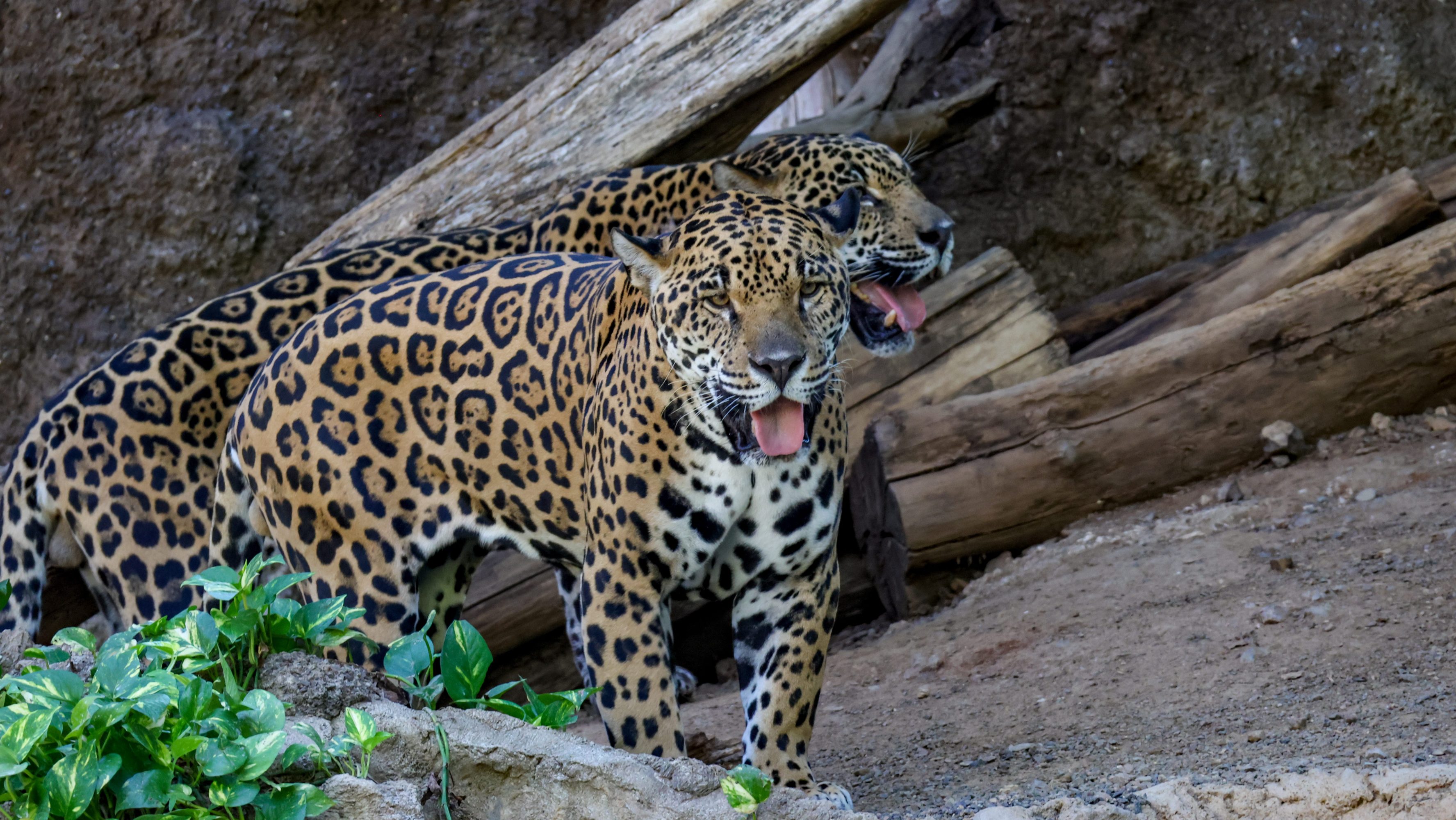
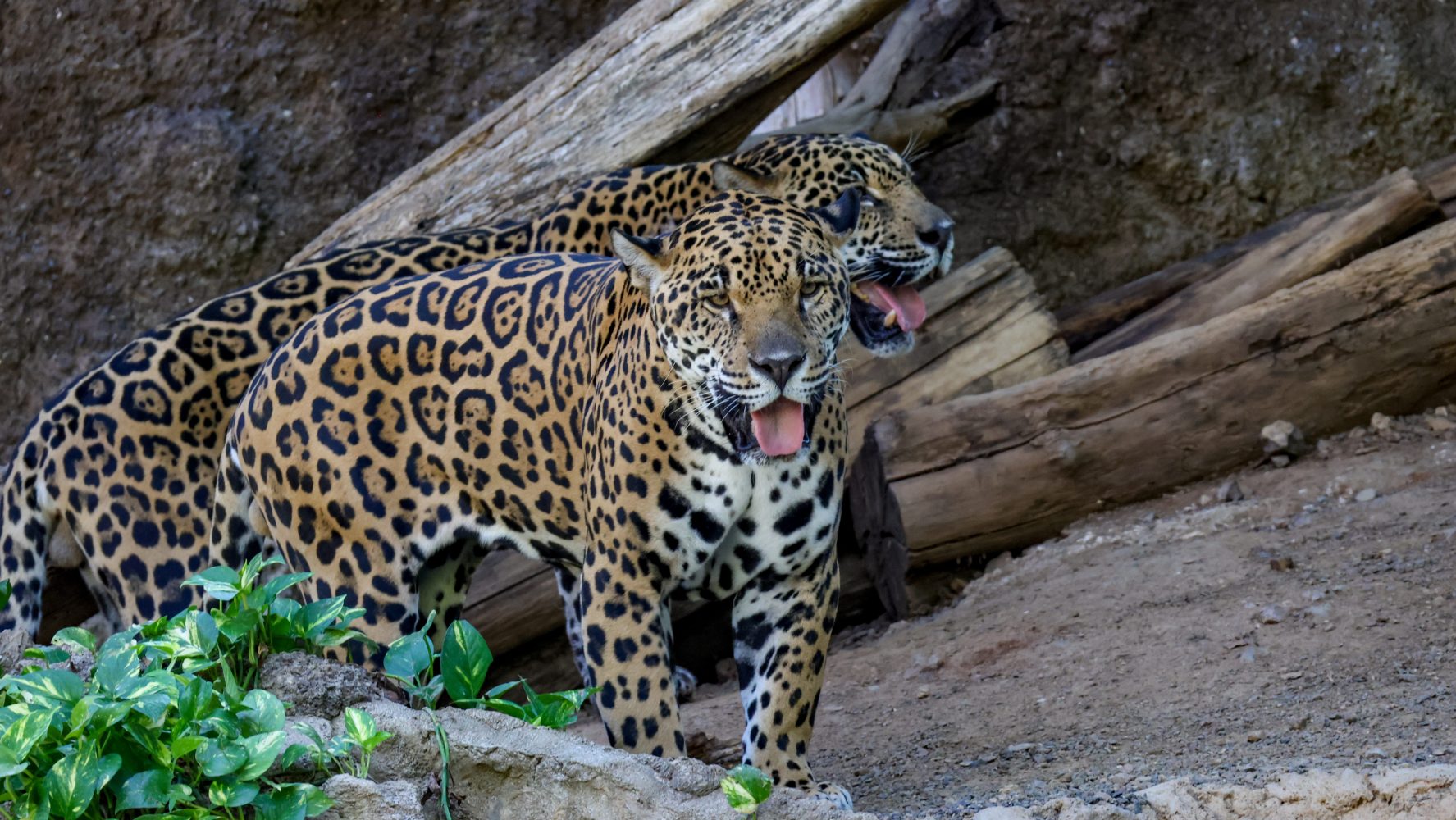
The jaguar is the largest wild cat in the Americas and one of Costa Rica’s most powerful predators.
Its spotted coat provides excellent camouflage in forests, wetlands, and grasslands. As an apex predator, the jaguar plays an important role in maintaining balanced ecosystems by helping regulate populations of other animals.
Seeing a jaguar in the wild is extremely rare. Jaguars generally live in large, protected areas and tend to avoid contact with humans.
At Diamante’s Animal Sanctuary, guests may meet Nico and Sama, the resident rescued jaguars, while learning about their behavior, habitats, and importance to Costa Rica’s ecosystems.
Did you know? Jaguars have exceptionally powerful jaws and can bite through the shells of turtles and other armored prey.
2. Two-Toed Sloth
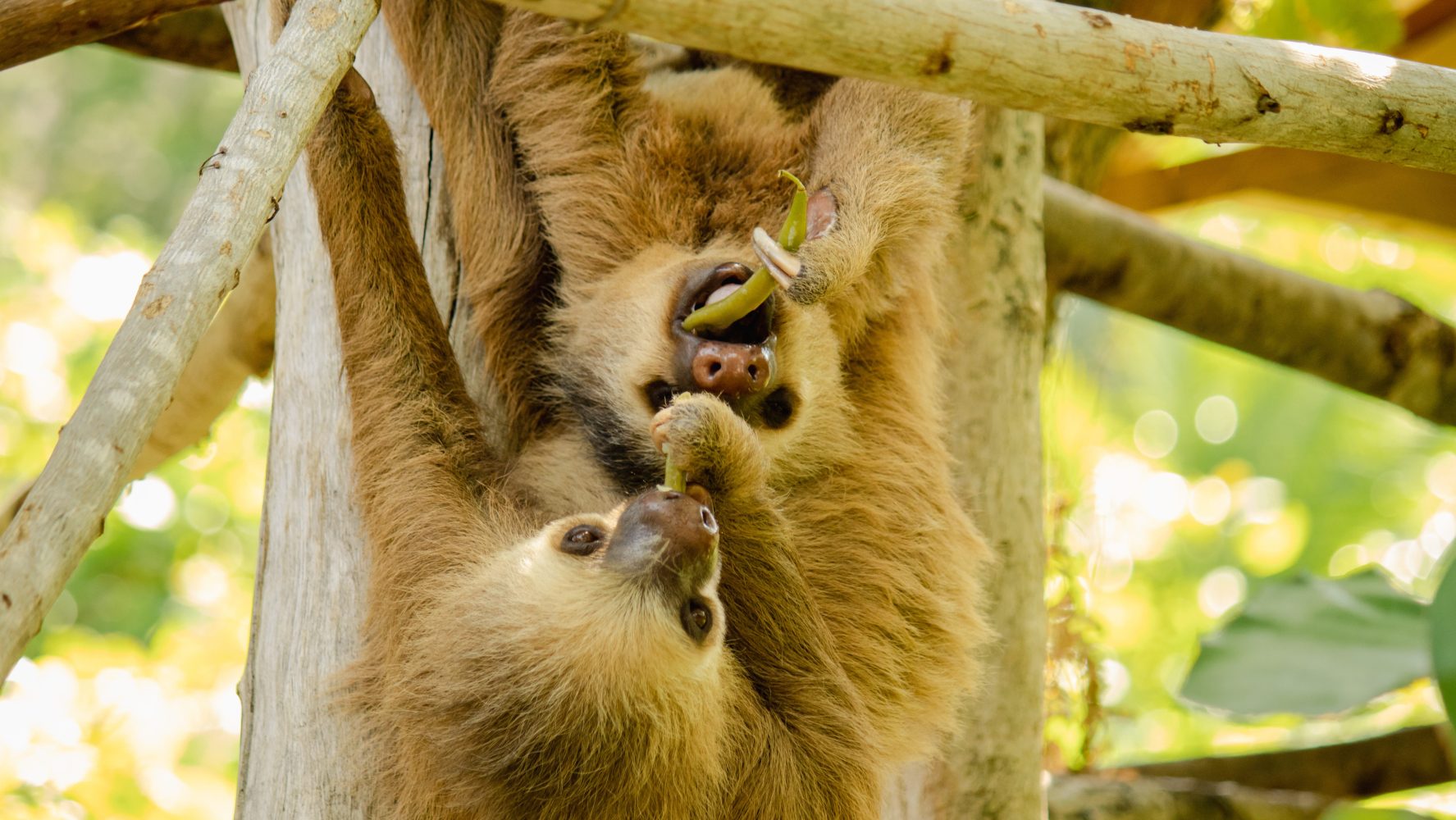
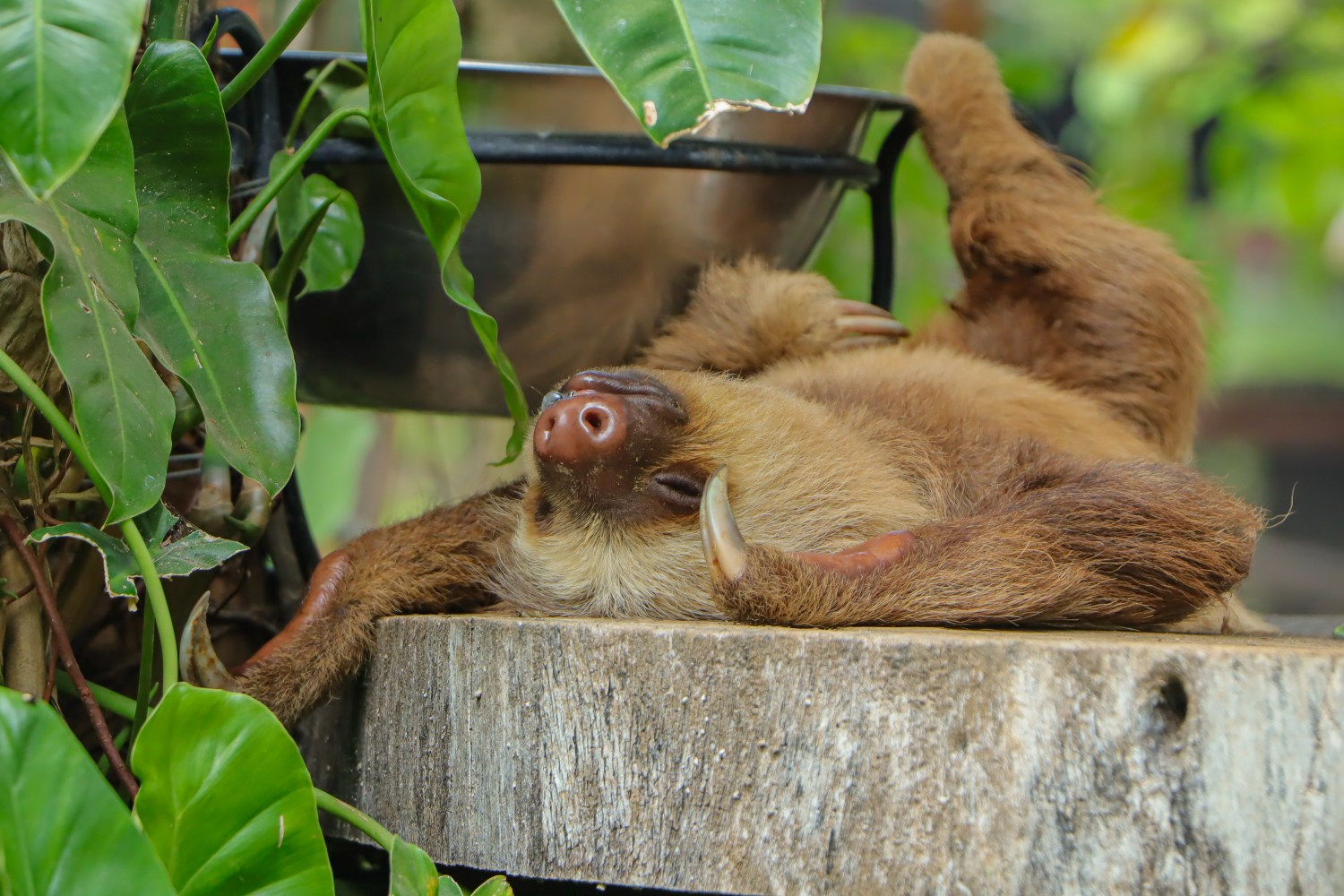
Few animals are more closely associated with Costa Rica than the sloth.
Sloths spend most of their lives in trees, where their slow movement and naturally camouflaged fur help them avoid predators. Although they are among the animals travelers most want to see, they can be surprisingly difficult to spot in the wild.
Diamante is home to rescued two-toed sloths, including Lucy, Mia, and Ziggy. Each has an individual story and now receives the professional, long-term care needed to live safely at the Sanctuary.
Did you know? Sloths have an extremely slow metabolism and spend much of their time resting high in the forest canopy.
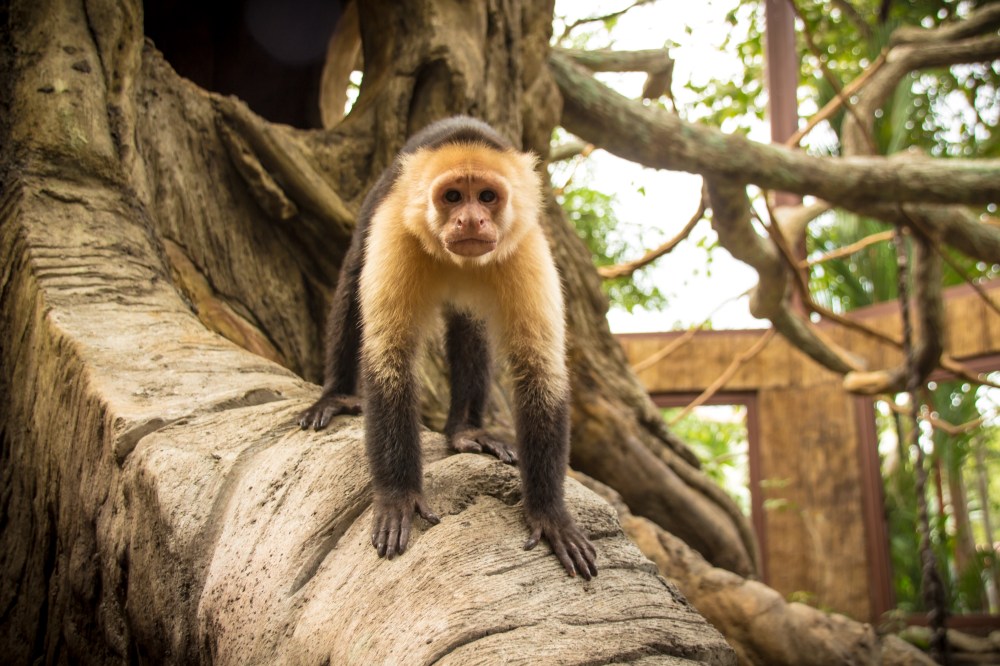
3. White-Faced Capuchin Monkey
White-faced capuchin monkeys are intelligent, social, and highly expressive.
They live in family groups and communicate through vocalizations, facial expressions, and body movements. They are commonly seen in several regions of Costa Rica, including Guanacaste.
At Diamante, visitors may meet several resident white-faced capuchin monkeys, including Balú and Coquito, while learning about their intelligence, social behavior, and individual personalities.
Although wild monkeys may appear comfortable around people, visitors should never touch or feed them. Feeding wildlife can change natural behavior and create health and safety problems.
4. Spider Monkey
Spider monkeys are among the most agile animals in Costa Rica’s forest canopy.
Their long arms, lightweight bodies, and prehensile tails allow them to move quickly between branches. Because they depend on large areas of connected forest, spider monkeys are also important indicators of ecosystem health.
One of Diamante’s resident spider monkeys is Nuca, who helps visitors better understand the intelligence, agility, and social nature of this fascinating species.
Did you know? A spider monkey’s tail can support its entire body weight and functions almost like an additional limb.

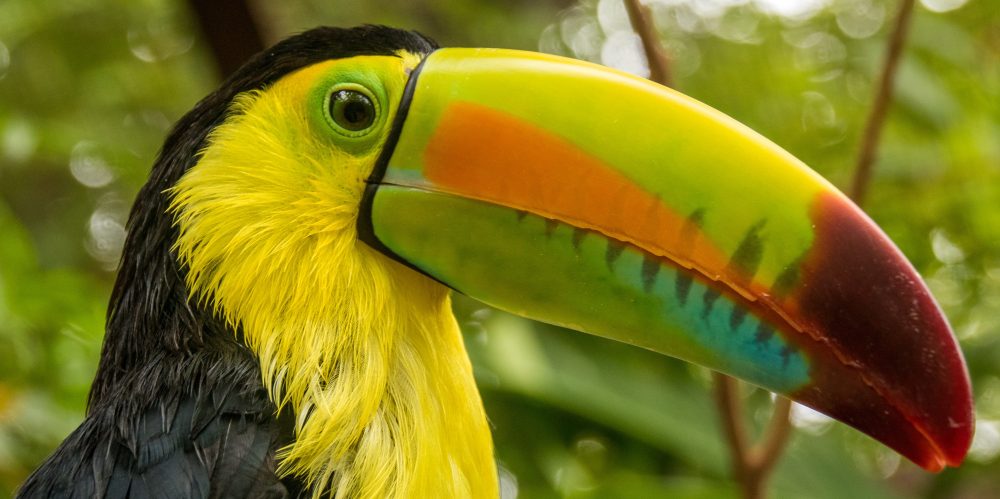
5. Toucan
With their large, colorful bills, toucans are among the most recognizable birds in Costa Rica.
The country is home to several toucan species, including the yellow-throated toucan, keel-billed toucan, and collared aracari. Their bills may look heavy, but they are formed from a lightweight structure made of keratin.
Diamante is home to several rescued toucans, including Franco, Bob, Messi, and Ronaldo. Their colorful appearance and distinct personalities make them some of the most memorable residents at the Sanctuary.
Some toucans in sanctuary care were previously kept illegally as pets or confiscated by Costa Rican wildlife authorities.
6. Collared Aracari
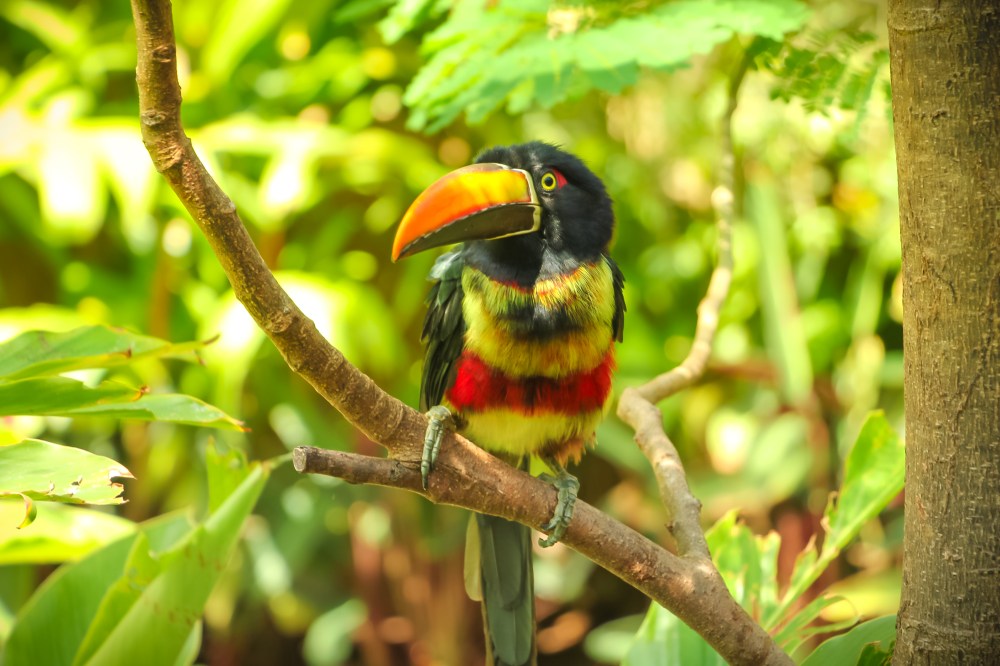
The collared aracari is a smaller member of the toucan family.
Its yellow chest, dark feathers, red markings, and long bill make it a favorite among birdwatchers and wildlife photographers. Aracaris are social birds and are often seen moving through the forest in small groups.
They primarily eat fruit but may also consume insects and other small sources of protein.
7. Baird’s Tapir
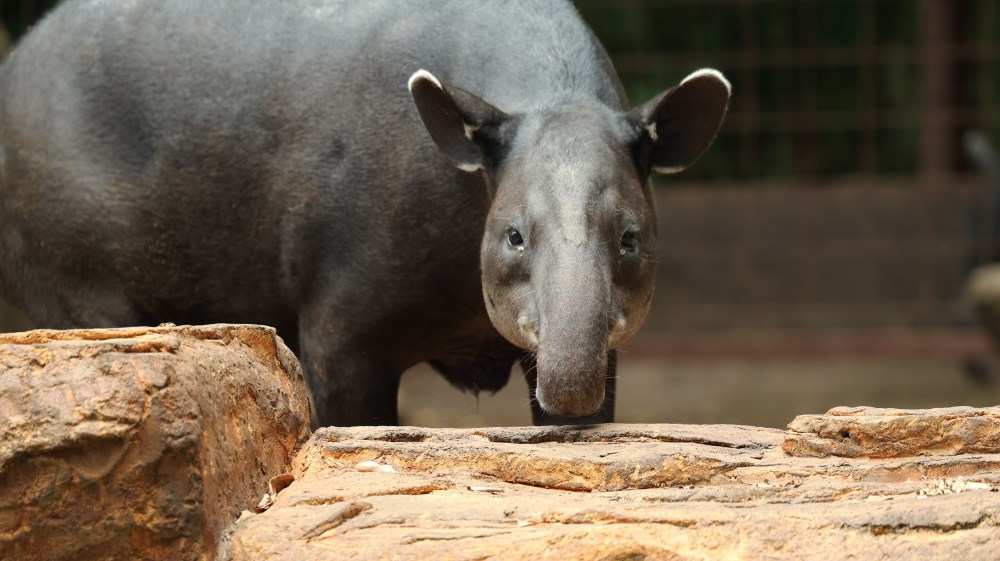
Baird’s tapir is the largest native land mammal in Central America.
Although its body resembles a combination of several different animals, the tapir is most closely related to horses and rhinoceroses. Its flexible nose helps it grasp leaves, fruit, and vegetation.
Tapirs also play an important ecological role by dispersing seeds throughout the forest.
At Diamante, visitors may meet Tito and Volta, the resident tapirs, while learning about their behavior and their importance to tropical forest ecosystems.
Because of habitat loss and other pressures, protecting tapirs and the forests they depend on is essential to Costa Rica’s biodiversity.
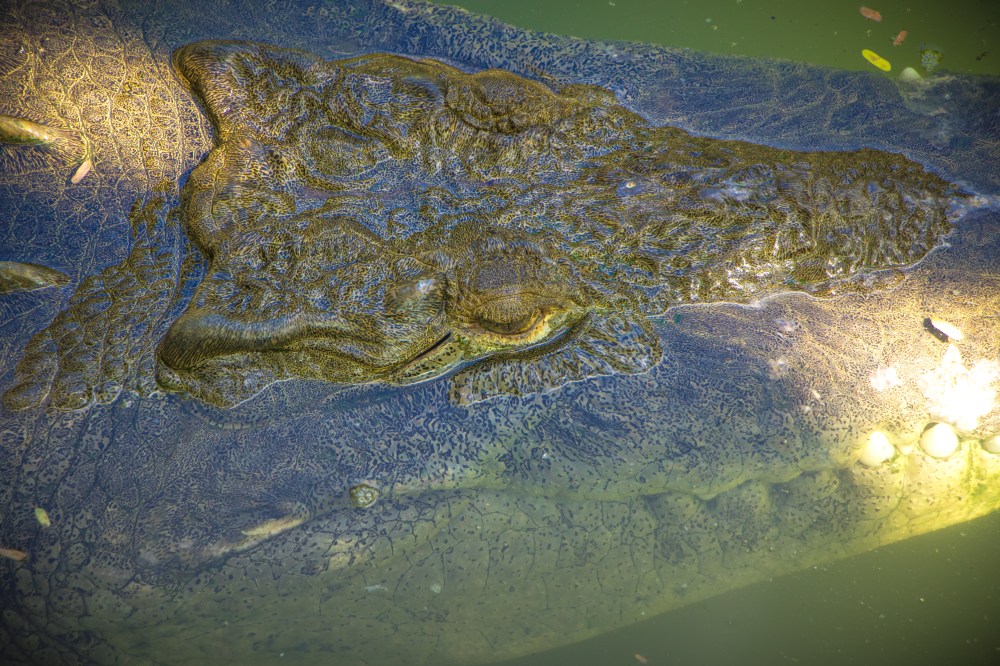
8. American Crocodile
Costa Rica is home to the American crocodile, one of the largest reptiles in the region.
Crocodiles can be found in rivers, estuaries, wetlands, and coastal areas. They are powerful predators that help maintain balance within aquatic ecosystems.
At Diamante, guests can safely observe resident crocodiles Diego and George while learning about crocodile behavior, conservation, and the challenges that can arise when wildlife and human communities share the same environment.
9. Boa Constrictor
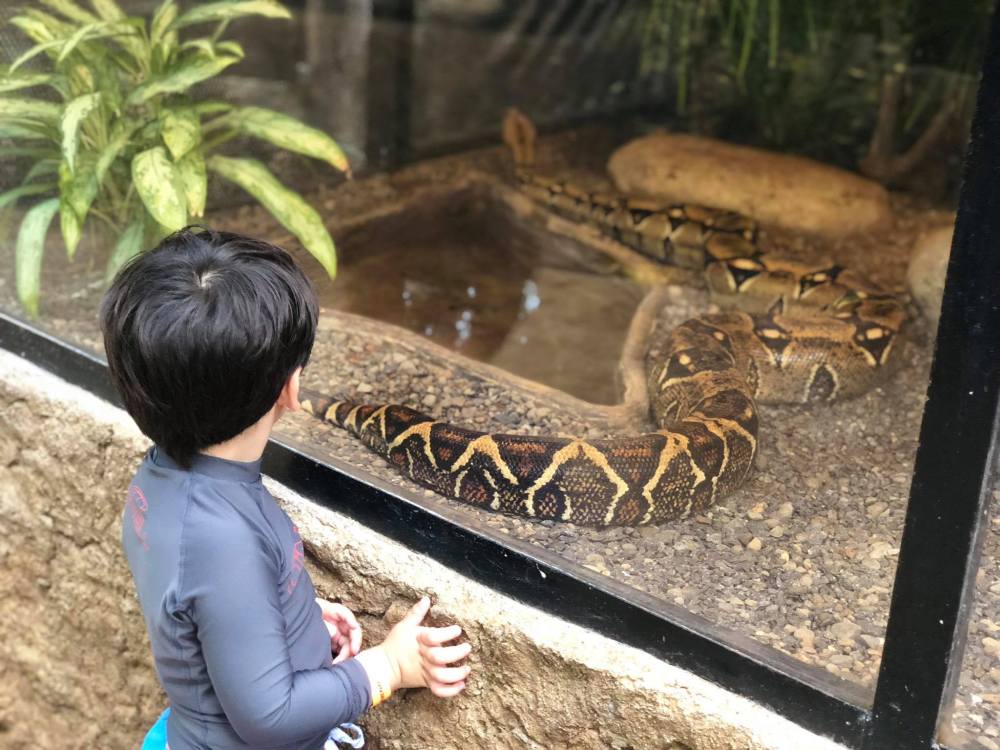
The boa constrictor is one of Costa Rica’s largest snakes.
Despite its intimidating appearance, it is nonvenomous. Rather than using venom, the boa constrictor subdues its prey through constriction.
Boas play a useful role in the ecosystem by helping control populations of rodents and other small animals.
Learning about snakes in a safe, educational setting can also help reduce fear and misunderstanding surrounding these important reptiles.
10. Poison Dart Frog
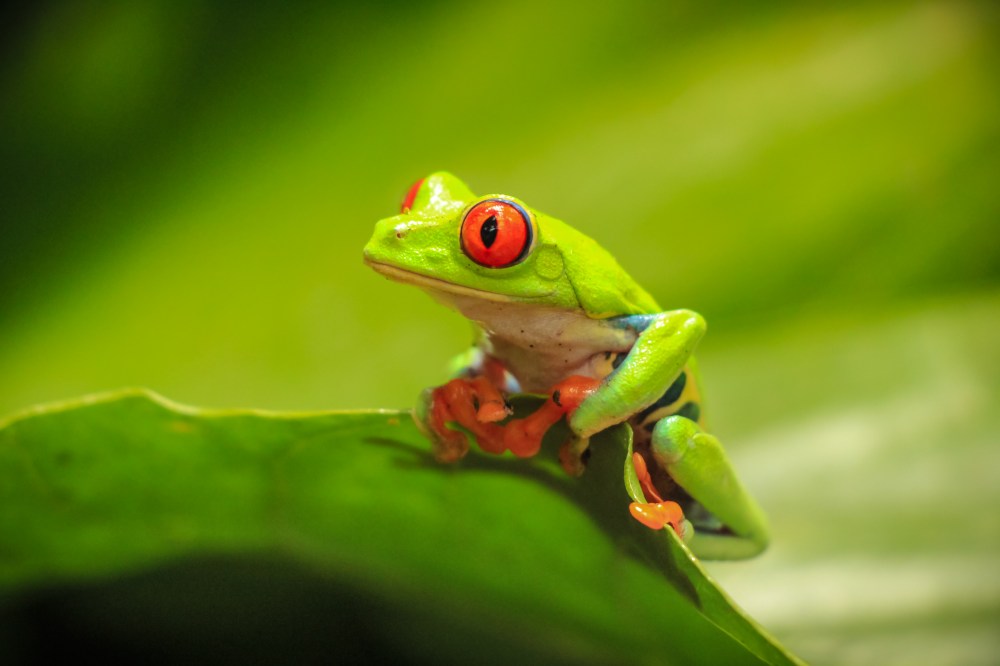
Poison dart frogs are famous for their vivid colors, which may include shades of red, blue, green, yellow, and black.
Their bright appearance serves as a warning to potential predators. This type of natural warning coloration is known as aposematism.
Costa Rica is home to several species of poison dart frogs, particularly in humid forest environments.
Although they are small, frogs play an important role in healthy ecosystems and can be sensitive indicators of environmental changes.
11. Margay
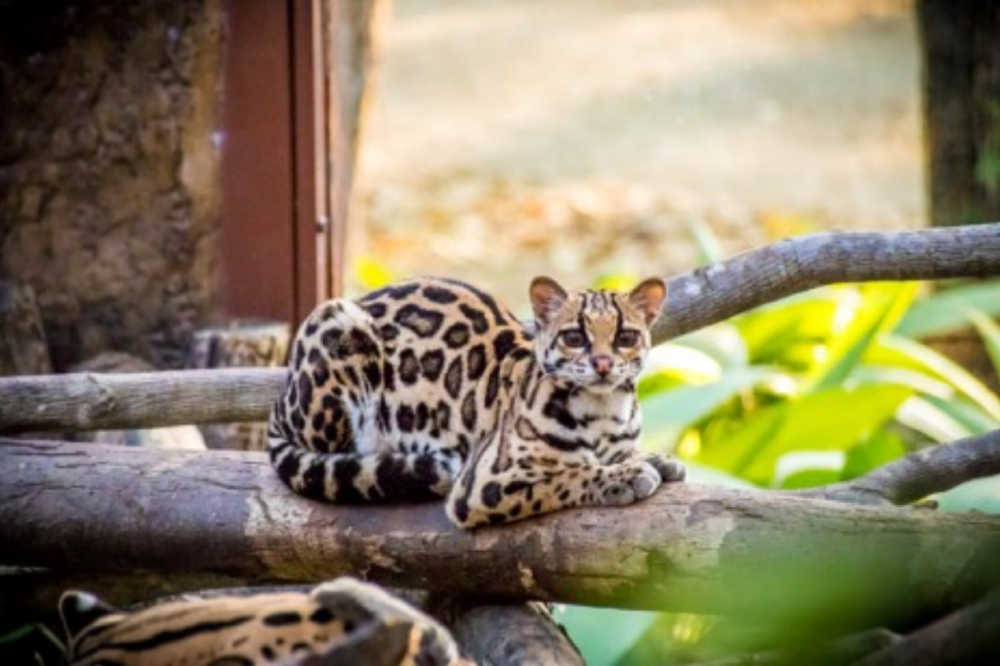
The margay is one of Costa Rica’s most elusive wild cats.
It spends much of its time in trees and is an exceptional climber. Its flexible ankle joints allow it to rotate its feet and descend tree trunks headfirst, a rare ability among cats.
Margays are primarily nocturnal and difficult to observe in the wild.
Diamante provides long-term professional care for Lupita, a resident margay who cannot safely return to the wild. Her story helps visitors understand the consequences of illegal wildlife captivity and why some animals require permanent sanctuary care.
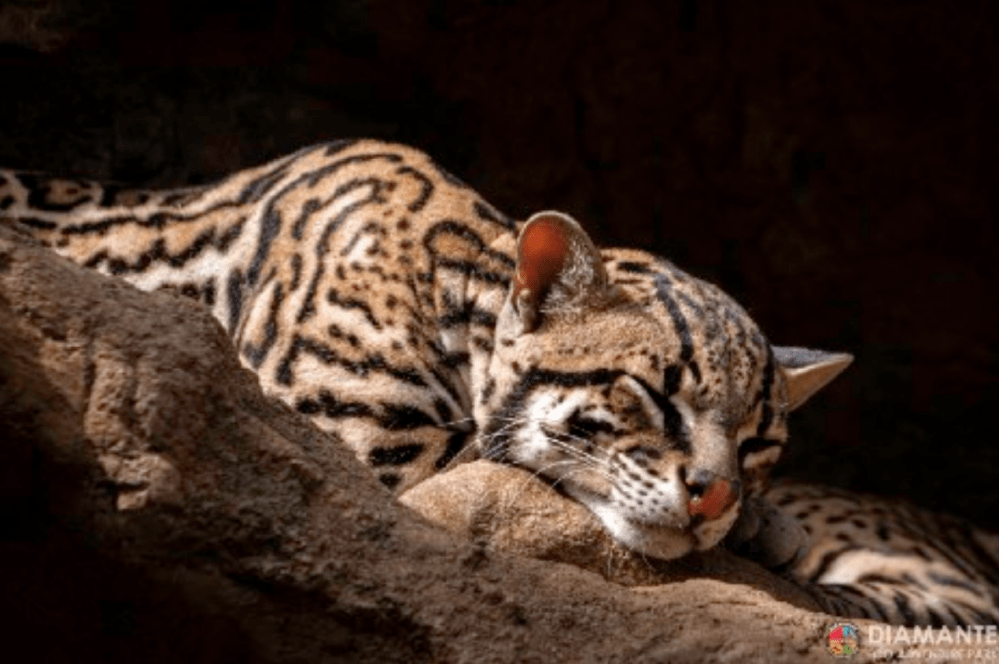
12. Ocelot
The ocelot is a medium-sized spotted wild cat found throughout parts of Costa Rica.
It is primarily nocturnal and usually solitary, making wild encounters uncommon. Its patterned coat allows it to blend into dense vegetation while hunting small mammals, reptiles, and birds.
The Sanctuary is home to rescued ocelots Bubú and Chiripa. Their stories help visitors understand why injuries, previous captivity, or a lack of natural survival skills can prevent a wild cat from being released.
Ocelots face threats from habitat loss, illegal wildlife trade, and human conflict. Education and habitat protection are important parts of their conservation.
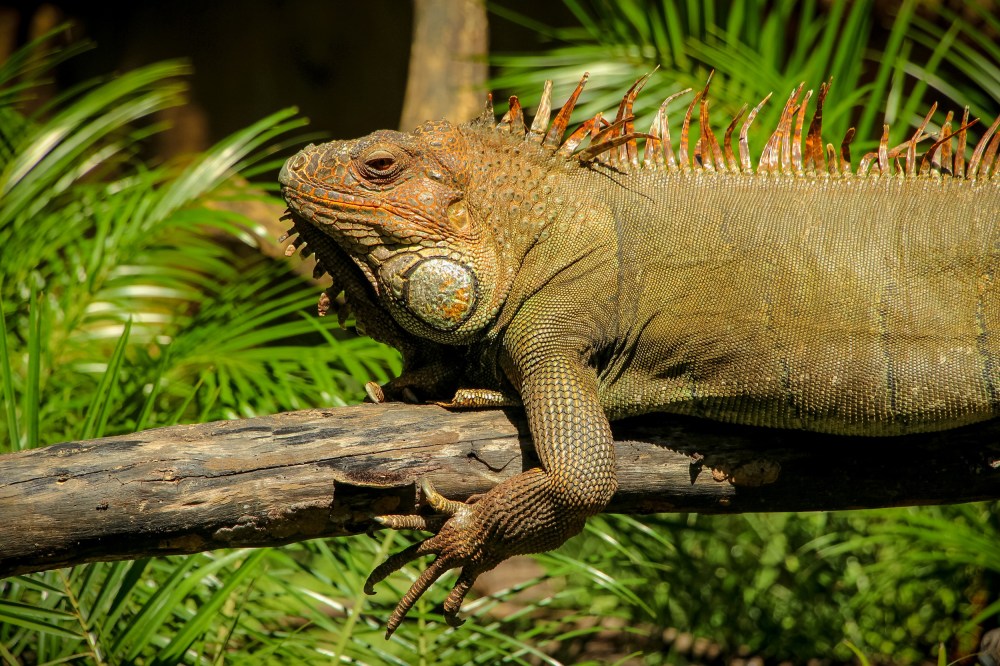
13. Green Iguana
Green iguanas are frequently seen resting in trees or basking in sunny areas near rivers and forests.
Their long tails, strong legs, and impressive dorsal spines give them a prehistoric appearance. Despite their size, green iguanas are primarily herbivorous and feed mostly on leaves, flowers, and fruit.
Adult males can grow to impressive lengths when their tails are included.
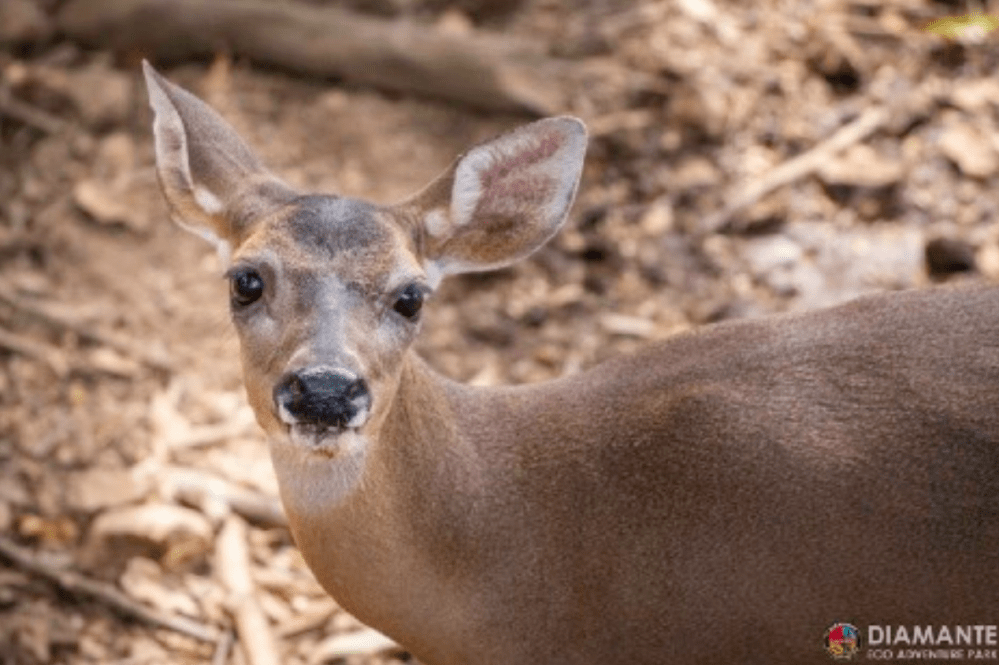
14. White-Tailed Deer
The white-tailed deer holds a special place in Costa Rican culture and is recognized as a national symbol.
It can be found in forests, grasslands, and dry tropical environments, including areas of Guanacaste.
Although deer are present in many countries, Costa Rica’s white-tailed deer represents the country’s wildlife and natural heritage.
Like all wildlife, deer should be observed from a respectful distance and should never be fed.
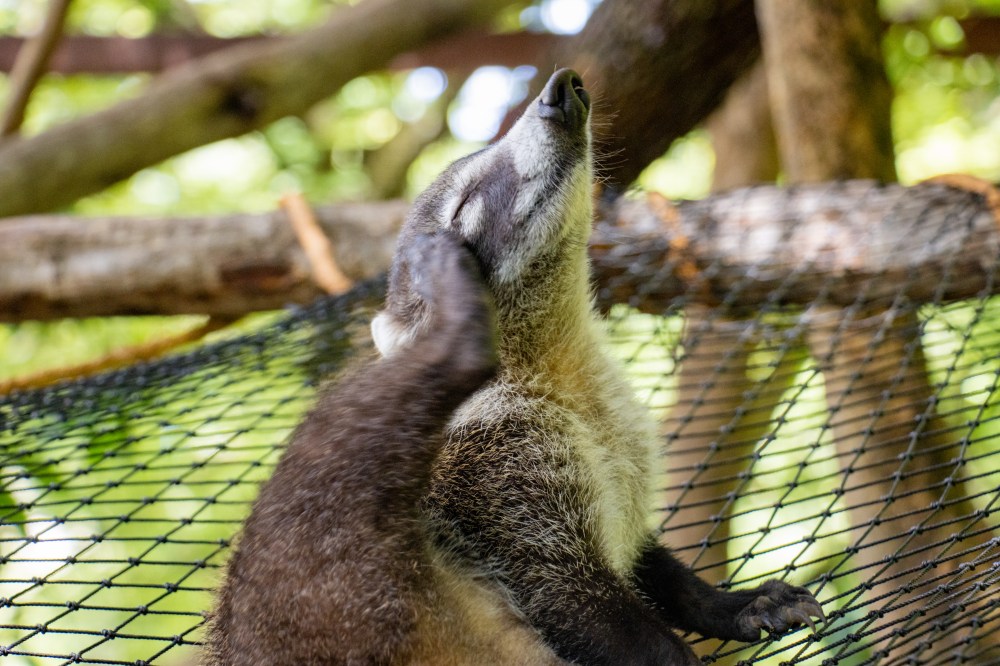
15. White-Nosed Coati
White-nosed coatis are curious and adaptable mammals related to raccoons.
They use their long, flexible noses to search for fruit, insects, eggs, and small animals. They are often active during the day and may be seen in forests, near trails, or around protected areas.
Although coatis may appear comfortable around people, feeding them can change their natural behavior and create dependence on humans.
Where Is the Best Place to See Animals in Costa Rica?
National parks and protected areas are the best places to observe wildlife living freely in its natural habitat.
Popular wildlife destinations in Costa Rica include:
- Corcovado National Park
- Tortuguero National Park
- Manuel Antonio National Park
- Palo Verde National Park
- Santa Rosa National Park
- The forests and wetlands of Guanacaste
Wildlife sightings depend on the destination, season, weather, time of day, and luck. Jaguars, ocelots, margays, tapirs, and other elusive species may live within an area without ever being seen by most visitors.
Diamante Eco Adventure Park’s Animal Sanctuary offers a different type of wildlife experience.
Guests can observe many native Costa Rican species at a respectful distance while learning about their individual stories, animal care, natural behavior, and conservation.
The Sanctuary is home to monkeys, sloths, toucans, frogs, snakes, crocodiles, wild cats, butterflies, and other native species.

Is Diamante a Wildlife Rescue Center?
Diamante is an Animal Sanctuary, not a wildlife rescue center.
The animals are rescued, confiscated, or relocated through SINAC and other Costa Rican environmental authorities. Diamante’s role is to provide professional, long-term care for animals that have been determined unable to return safely to the wild.
Reasons an animal may be unable to return include:
- Permanent injuries
- Illegal wildlife trafficking
- Previous captivity as a pet
- Human imprinting
- Lack of natural survival skills
- Ongoing conflict with nearby communities
The animals receive care from a specialized team that includes biologists, veterinarians, animal caregivers, and nutrition professionals.
The Sanctuary also supports wildlife education, habitat management, responsible tourism, and conservation awareness.
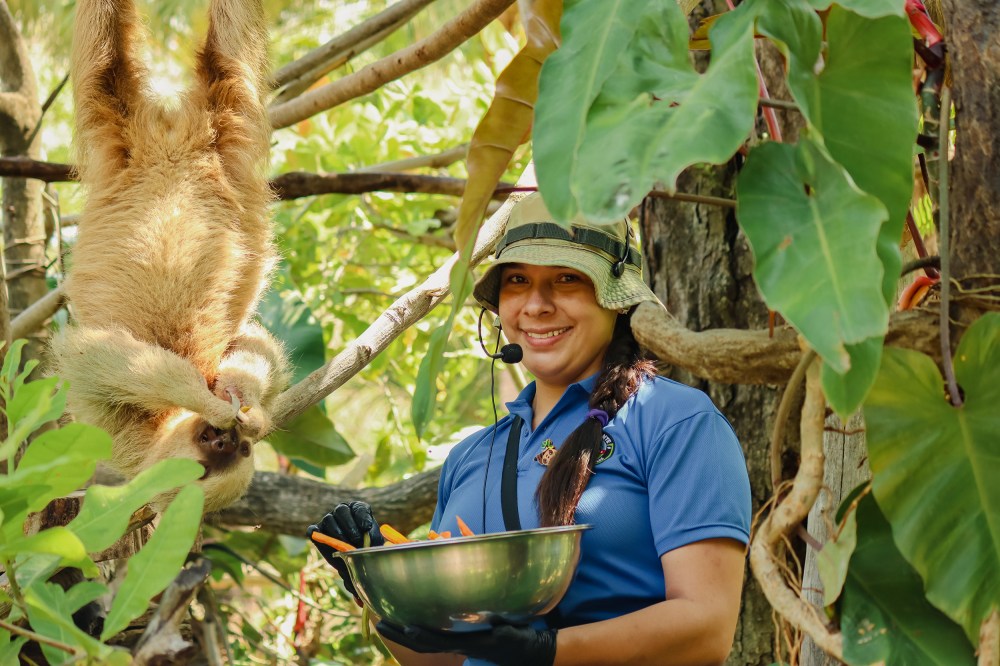
More Than a Wildlife Experience
A visit to Diamante Eco Adventure Park can include much more than the Animal Sanctuary.
Guests can combine their wildlife experience with:
- The ocean-view Superman zipline
- Hanging bridges and Quick Jump
- A Costa Rican Cultural Experience featuring coffee, chocolate, and sugar cane
- A Botanical Garden
- Hammock Beach
- Kayaking and stand-up paddleboarding
- A traditional Costa Rican buffet lunch
The Adventure Pass combines the zipline course, Animal Sanctuary, Cultural Experience, beach activities, and buffet lunch in one full-day visit.
For travelers staying near Playas del Coco, Papagayo, Playa Hermosa, Tamarindo, or the RIU resorts, Diamante offers a convenient way to experience adventure, wildlife, culture, and the Pacific coast in one destination.

Start Checking Animals Off Your Costa Rica Bucket List
Whether you are a wildlife photographer, family traveler, birdwatcher, or simply someone who loves nature, Costa Rica offers opportunities to encounter some of the world’s most fascinating animals.
Exploring national parks allows you to experience the excitement of searching for wildlife in its natural habitat.
Visiting Diamante’s Animal Sanctuary adds an educational opportunity to observe many rescued native species, learn their individual stories, and understand why they require long-term professional care.
Plan your visit to Diamante Eco Adventure Park and discover wildlife, adventure, culture, and the Pacific coast in one unforgettable Guanacaste experience.
Frequently Asked Questions
What animals can you see in Costa Rica?
Costa Rica is home to sloths, monkeys, jaguars, tapirs, toucans, crocodiles, snakes, frogs, iguanas, ocelots, margays, coatis, deer, and hundreds of bird species. The animals you see will depend on the region, habitat, season, weather, and time of day.
Where can I see animals in Guanacaste?
Wildlife may be seen in Guanacaste’s national parks, dry forests, wetlands, beaches, and protected areas. Diamante Eco Adventure Park’s Animal Sanctuary also gives visitors the opportunity to observe and learn about rescued native wildlife near the Papagayo and Playas del Coco areas.
Can you see jaguars in Costa Rica?
Jaguars still live in Costa Rica, particularly in large protected wilderness areas. However, they are extremely elusive, and wild sightings are rare. At Diamante’s Animal Sanctuary, visitors may see resident rescued jaguars Nico and Sama, who cannot safely return to the wild.
Are sloths easy to see in Costa Rica?
Not always. Sloths remain high in trees, move slowly, and blend into the forest canopy. A knowledgeable guide can improve your chances of spotting one in the wild. At Diamante, visitors may meet resident sloths Lucy, Mia, and Ziggy.
Is Diamante’s Animal Sanctuary ethical?
Diamante focuses on responsible animal care, veterinary oversight, education, habitat management, conservation awareness, and respectful guest interaction. Guests must remain in designated viewing areas and may not touch or feed the animals.
Can I visit the Animal Sanctuary without doing the zipline?
Yes. Guests can visit the Animal Sanctuary with the Wildlife Sanctuary Discovery Pass. The Cultural Experience also includes access to the Sanctuary.
How long does it take to visit Diamante’s Animal Sanctuary?
Most guests spend approximately two hours exploring the Sanctuary, although the total time may vary depending on pace, interest, and time spent at each habitat.
Can I take pictures of the animals?
Yes. Photography is permitted from designated viewing areas. Guests should avoid flash photography and must follow all instructions from the animal care team.
Will I see every named animal during my visit?
Specific sightings cannot be guaranteed. The animals can choose where to move, rest, or spend time within their habitats, and some may be out of view during part or all of a visit.
Why are the animals at Diamante unable to return to the wild?
Some animals have permanent injuries, were illegally kept as pets, became accustomed to humans, lacked survival skills, or were involved in ongoing conflict with nearby communities. Costa Rican wildlife authorities determine whether an animal can be released or requires long-term care.
Does every visit help support animal care?
Admission helps support the operation of the Animal Sanctuary, including professional care, specialized diets, habitat management, veterinary support, education, and conservation awareness.